




Your essential monthly update on femtech's progress
Welcome to your monthly snapshot of the facts, figures, opinions, trends and challenges shaping the development of femtech.
Our monthly tracker report aims to provide a concise update for busy femtech professionals on the many factors influencing your work.
Here you will find a breakdown of deals, developments and opportunities from the last 30 days; and insight and opinion from leading thinkers in the field.
We hope you find something useful and/or inspiring below - and welcome any feedback about what else you'd like to see included. And don't forget you can find daily updates on the femtech sector on our website.
Many thanks for your interest in Femtech World
I
Member insights: How femtech is breaking the silence on women’s health
By building technology that puts women's health front and centre, the femtech industry is giving millions of people the language, the data and the confidence to start conversations they were never encouraged to have before.
We asked the founders, executives and innovators driving this space one question: what role do you think femtech plays in destigmatising conversations around women's health?
Here’s what they had to say.
Joanna Magaji, project director, Women’s HealthX
Femtech is creating a space where women feel more empowered to speak openly about their health and take ownership of their wellbeing.
Topics like menstrual, reproductive, and sexual health have traditionally been surrounded by stigma, making them difficult for many women to discuss.
By developing technology that normalise these conversations and address concerns that often go unspoken, as well as creating accessible at‑home diagnostic tools that allow women to manage aspects of their health privately and confidently, femtech helps break down these barriers.
It not only increases access to information but also fosters a sense of safety, autonomy, and community, all of which play a key role in destigmatising women’s health.
Melissa Wallace, CEO and founding partner, Fierce Foundry
We’re finally seeing FemTech expand beyond fertility and menstruation into historically overlooked areas of women’s health, backed by research we can act on.
For example, new platforms focused on menopause care and cardiovascular diagnostics designed specifically for women.
As founders, investors, researchers, and clinicians collaborate, visibility is accelerating and long-silenced topics are entering mainstream health and technology conversations.
That collective momentum is shifting femtech from a niche category into real infrastructure for cultural and clinical change where evidence replaces stigma, innovation replaces neglect, and women’s health will one day be treated as a standard priority rather than a whispered side conversation.
Diane Wrightson, chief operating officer, Women As One
Femtech puts a spotlight on women’s health and creates a space for conversation, investment, and action. Women’s health is human health, and this has often been forgotten.
Now we have a vehicle to drive action and that’s important to seeing real systematic change in the space.
Wolfgang Hackl MD, CEO of OncoGenomX
FemTech has already transformed how we talk about women’s health, and digital tools have moved breast and gynecologic cancer care from episodic, clinician-led encounters to more continuous, patient-reported, data-driven models—making symptoms, sexual health, and survivorship concerns more visible and discussable.
Clearly, this visibility has helped normalise conversations once considered taboo and strengthened patient agency.
Yet more is needed. Many tools lack robust validation, equitable access remains uneven, and integration into routine oncology workflows is incomplete.
The next step is combining digital engagement with clinically rigorous, genomics informed and evidence-based prediction, ensuring de-stigmatization is matched by accuracy, equity, and reliability.
Daniela Schardinger, CEO & founder, ELAFY Consulting
Femtech plays a critical role in destigmatising women’s health, but only if we move beyond pink marketing without clinical substance.
True destigmatisation requires evidence, regulatory rigor, and sustained investment. Otherwise, we risk replacing silence with noise, and speaking mainly to ourselves within the ecosystem.
The companies that will truly shift the conversation are those building data-backed, scalable solutions for conditions that have historically been underfunded and underdiagnosed.
The ultimate goal is not to preserve the label “femtech,” but to reach a point where women’s health is fully integrated into mainstream indications, research, and reimbursement.
Only then have we truly won.
Chaitra Vedullapalli, founder and president, Women in Cloud
Femtech is redefining executive functioning as a measurable, manageable leadership asset.
For decades, cognitive shifts tied to hormones, inflammation, sleep, and metabolic health were dismissed as stress or burnout.
Today, biomarker testing, cycle intelligence, and AI-driven health platforms are turning invisible strain into actionable data.
This shift destigmatises conversations around focus, memory, and emotional regulation especially during perimenopause and high-pressure leadership phases.
Executive performance is not just about mindset; it’s biological.
When women gain access to predictive health intelligence, they protect cognitive capacity, extend career longevity, and lead with clarity.
Femtech isn’t just advancing health it’s safeguarding economic leadership.



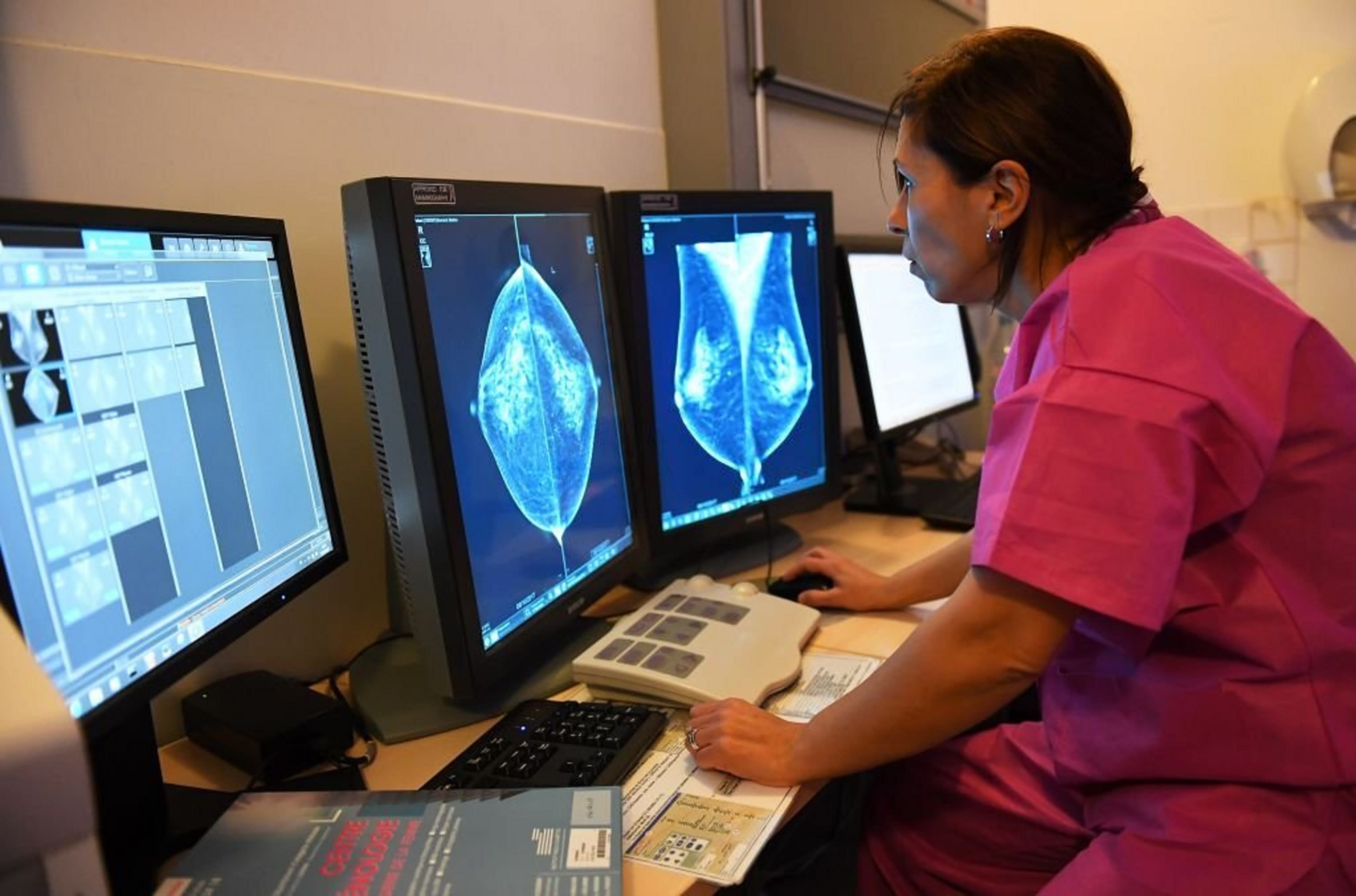




Femtech investment rounds from the last 30 days
Xella Health raises pre-seed funding
Value: $3.7m
Stage: Pre-seed funding round
Solution: Precision women’s health platform designed to personalise care using biological data and predictive analytics for conditions affecting female reproductive and hormonal health.
Investors: Not publicly disclosed.
Significance: Funding will support the launch of a personalised women’s health platform aimed at improving early diagnosis and tailored care pathways for reproductive and hormonal health conditions.
Pinky Promise raises pre-seed funding for AI women’s health clinic
Value: $1m
Stage: Pre-seed funding
Solution: AI-enabled digital clinic designed to deliver integrated healthcare services tailored to women, combining telemedicine, diagnostics and digital monitoring.
Investors: Led by Rebalance Angel Community.
Significance: The funding will support the development of an AI-driven digital clinic model designed to improve access to preventative healthcare and specialist services for women.
Bactolife secures Series B funding
Value: €30m+
Stage: Series B funding round
Solution: Biotechnology platform developing binding proteins used in nutrition and health products aimed at improving gut health and preventative health outcomes, including research applications relevant to women’s health conditions.
Investors: Not fully disclosed in public announcement.
Significance: Funding supports commercialisation of its binding protein technology and expansion of clinical research programmes investigating health and disease prevention.
Cent raises funding for AI health diagnostics platform
Value: Not publicly disclosed
Stage: Venture funding round
Solution: AI-driven healthcare platform designed for early disease detection and predictive diagnostics using health data modelling and machine learning.
Investors: OneFlow Holdings and venture capital firm South Park Commons.
Significance: The platform aims to support earlier disease detection across multiple conditions, including areas affecting women’s health, highlighting the growing role of AI-enabled diagnostics in preventative medicine.

Latest femtech deals
Wisp acquires TBD Health
Value: Not publicly disclosed
Stage: Acquisition
Solution: Sexual health diagnostics and telehealth platform providing STI testing, virtual consultations and partnerships with healthcare providers — expands Wisp’s digital women’s health services into hybrid care models combining virtual care with hospital systems and enterprise healthcare programmes.
Investors: Buyer — Wisp; Sellers — TBD Health founders and investors.
Significance: Demonstrates consolidation in women’s digital health platforms as telehealth providers expand beyond direct-to-consumer services into integrated clinical care and diagnostics infrastructure.
Gedeon Richter acquires Celmatix drug discovery portfolio
Value: Not publicly disclosed
Stage: Acquisition
Solution: Women’s health drug discovery assets focused on ovarian biology, fertility and reproductive health conditions — expands Gedeon Richter’s pipeline of therapies targeting female reproductive disorders.
Investors: Buyer — Gedeon Richter; Sellers — Celmatix.
Significance: Reflects continued pharmaceutical industry interest in expanding R&D pipelines focused on women’s reproductive health, particularly fertility and ovarian biology.
INVO Fertility acquires Indiana fertility clinic
Value: Not publicly disclosed
Stage: Acquisition
Solution: Fertility clinic providing assisted reproductive technology (ART) and IVF services — expands INVO Fertility’s clinical footprint and patient access to fertility treatments in the United States.
Investors: Buyer — INVO Fertility; Sellers — Indiana-based fertility clinic stakeholders.
Significance: Illustrates consolidation in the fertility care sector as fertility technology companies acquire clinical providers to vertically integrate treatment delivery and scale access to reproductive services.
FutureLife Group acquires Herts & Essex Fertility Centre
Value: Not publicly disclosed
Stage: Acquisition (announced March 2026)
Solution: Fertility clinic specialising in assisted reproductive technologies including IVF and fertility diagnostics — expands FutureLife Group’s clinical fertility network and patient access to reproductive care services.
Investors: Buyer — FutureLife Group; Sellers — Herts & Essex Fertility Centre stakeholders.
Significance: Illustrates ongoing consolidation in the fertility care sector as private fertility clinic networks scale geographically and vertically integrate reproductive health services.
MediKarma acquires Nanell
Value: Not publicly disclosed
Stage: Acquisition (completed February 2026)
Solution: Digital pregnancy-journey platform offering guided resources, expert consultation and health-tracking tools for expectant mothers — integrates Nanell’s intellectual property, product assets and operations into MediKarma’s AI-driven patient engagement platform to support proactive maternal health monitoring.
Investors: Buyer — MediKarma; Seller — Niterra Co., Ltd. (through its venture arm Niterra Ventures).
Significance: Expands MediKarma’s value-based care platform into women’s health by embedding pregnancy-specific insights into its unified patient data ecosystem, enabling earlier risk detection, improved care coordination and enhanced engagement between patients and healthcare providers.
Femtech partnerships
Latest collaborations in the sector
Society of Obstetricians and Gynaecologists of Canada × Femtech Canada
The Society of Obstetricians and Gynaecologists of Canada (SOGC) has entered a strategic partnership with Femtech Canada to strengthen collaboration between clinicians, researchers and technology innovators developing new solutions for women’s health. The collaboration aims to connect emerging femtech companies with healthcare professionals and accelerate the adoption of evidence-based technologies within clinical practice. The partnership will also support clinician education and create pathways for innovative women’s health technologies to be integrated into patient care across Canada.
Significance: Bridges the gap between clinical practice and emerging femtech innovation, helping accelerate the adoption of digital tools and technologies designed to improve women’s health outcomes.
Health Innovation Network × Femtech innovators (Living With, Adora Digital Health)
Health Innovation Network has partnered with femtech innovators including Living With and Adora Digital Health to support the evaluation, adoption and scaling of digital health solutions addressing women’s health conditions. The collaboration focuses on bridging the gap between early-stage femtech startups and healthcare systems by providing evaluation frameworks, health-economic analysis and pathways to clinical deployment within NHS services.
Significance: Helps accelerate the transition of women’s health technologies from pilot projects into real-world healthcare adoption by supporting evidence generation and integration into public health systems.
Women’s Health Horizons × global femtech ecosystem
Women’s Health Horizons is convening a global collaboration platform bringing together founders, investors, policymakers, healthcare leaders and researchers to accelerate innovation in women’s health. The initiative connects more than 300 leaders from healthcare, investment and technology sectors to drive partnerships aimed at advancing women’s health research, innovation and policy development.
Significance: Creates a multi-stakeholder collaboration platform linking innovators, healthcare systems and investors to accelerate the development and commercialisation of women’s health technologies.
Health Innovation Network × NHS partners
Health Innovation Network is collaborating with NHS partners and femtech innovators to accelerate the spread and adoption of evaluated women’s health technologies across the UK healthcare system. The partnership supports innovators through clinical evaluation, pilot programmes and scaling pathways designed to help digital women’s health solutions move from early development into large-scale deployment in healthcare settings.
Significance: Strengthens the pipeline for women’s health innovation by connecting technology developers with healthcare providers and enabling validated femtech solutions to scale across public health systems.



New backing for women's health innovators
Funder: Health Research Board (HRB) / Irish Department of Health
Recipient: Up to 10 collaborative women’s health research projects (researcher + healthcare system partners)
Value: Up to €200,000 per project (≈ €2m total programme funding)
Stage: Applied research grant programme (call launched January 2026)
Programme: Applied Partnership Awards – Women’s Health 2026
Purpose/Solution: Supports applied research projects targeting evidence gaps in women’s healthcare — including themes such as endometriosis, menstruation, postpartum mental health and culturally sensitive healthcare delivery. The programme requires partnerships between academic researchers and healthcare system “knowledge users” to ensure results translate directly into policy or service improvements.
Significance: Designed to address longstanding gaps in women’s health research by funding projects with direct clinical and health system impact rather than purely academic research outputs.
Funder: Scottish Government × Wellbeing of Women
Recipient: Independent academic researchers and clinical investigators in Scotland
Value: £350,000 research fund (multiple project grants expected)
Stage: Women’s health research grant programme launched January 2026
Programme: Scottish Women’s Health Research Fund
Purpose/Solution: Funds laboratory, translational and health services research projects aimed at improving healthcare outcomes for women and girls, supporting studies across areas such as reproductive health, pregnancy complications and women-specific disease conditions.
Significance: Part of the Scottish Government’s Women’s Health Plan aimed at increasing dedicated research funding for women’s health and accelerating innovation addressing historically under-researched conditions.
Funder: Global Cardiovascular Research Funders Forum (coalition of international heart research organisations)
Recipient: SHE-HEALS international research consortium led by the University of Melbourne and University of Cambridge
Value: $15m global research grant
Stage: Multi-year research programme launched 2026
Programme: SHE-HEALS (women’s cardiovascular health research initiative)
Purpose/Solution: Large-scale international study investigating the relationship between menopause, hormonal changes and cardiovascular disease risk in women, including clinical trials examining cholesterol management, blood pressure control and hormone therapy impacts.
Significance: Represents one of the largest dedicated research investments into female cardiovascular health, addressing major knowledge gaps about how menopause affects heart disease risk in women.
Funder: Burdett Trust for Nursing
Recipient: Nursing and midwifery research teams working with women’s health patients
Value: Typical grants £50,000–£100,000 per project
Stage: New grant programme launched 2026
Programme: Women’s Health Nursing Innovation Grants
Purpose/Solution: Supports projects enabling nurses and midwives to collaborate with women in designing new healthcare models, interventions and community-based health programmes aimed at improving women’s health outcomes.
Significance: Focuses on frontline clinical innovation by empowering nursing professionals to lead research and implementation of new women’s health care approaches.
Funder: Wellbeing of Women
Recipient: 16 academic and clinical research teams
Value: £500,000 total across multiple grants
Stage: Research grants awarded (announced February 2026)
Programme: Wellbeing of Women Research Grants
Purpose/Solution: Funding supports projects across the women’s health life course including AI tools for ovarian cancer treatment, research into fertility and cardiovascular health links, and studies investigating prevention of preterm birth using plant-derived compounds.
Significance: The grants support research addressing historically under-funded conditions affecting women while accelerating translation of emerging technologies and biological insights into clinical care.
Funder: Women’s Health Research Institute × BC Women’s Health Foundation
Recipient: Academic researchers working on women’s, fetal and newborn health
Value: $30,000 research grant
Stage: Research award competition (2026 cycle announced recently)
Programme: PRIME Centre Research Award
Purpose/Solution: Supports research projects advancing understanding of women’s, fetal and neonatal health through imaging and biomedical research conducted at the PRIME research centre.
Significance: Provides targeted funding for early-stage research exploring pregnancy and maternal health conditions and supporting innovation in diagnostic imaging and clinical research.

Recent femtech data breaches
ManageMyHealth — reproductive and general patient records stolen in cyberattack (New Zealand)
A cyberattack targeting the New Zealand health portal ManageMyHealth exposed hundreds of thousands of medical records, including highly sensitive patient health documents. Hackers claimed to have stolen more than 400,000 health files, threatening to release them online unless a ransom was paid. Authorities obtained a High Court injunction to prevent further distribution of the stolen data while police and cybersecurity teams investigated the breach. Because the portal stores a wide range of clinical data — including reproductive health records and screening information — the incident raised concerns about the security of digital health platforms handling sensitive patient information.
Reproductive Medicine Associates of Michigan — fertility clinic network breach investigation (United States)
A data breach affecting fertility clinic network Reproductive Medicine Associates of Michigan came to light after the company detected suspicious activity within its IT systems. Investigators determined that an unauthorised actor accessed and copied files containing patient information from the clinic’s network. The organisation notified US health regulators and began reviewing the affected data to determine what protected health information may have been exposed. The incident highlights ongoing cybersecurity risks facing fertility clinics that manage extremely sensitive reproductive health data.
Source.
Dutch cervical cancer screening programme — cyberattack exposes patient data (Netherlands)
A cyberattack targeting IT systems used by laboratories supporting the Netherlands’ national cervical cancer screening programme exposed personal information belonging to hundreds of thousands of women. Reports indicate that attackers gained access to data including names, addresses, dates of birth and screening information processed by the programme. Authorities launched an investigation and notified affected individuals, with cybersecurity experts warning that healthcare screening programmes remain vulnerable due to legacy systems and interconnected laboratory networks.
Source.
Main Line Fertility — patient data exposure linked to website tracking tools (United States)
A US fertility clinic network faced legal action after investigators alleged that website tracking technologies embedded on its patient portals shared sensitive information with third-party platforms. The tracking scripts reportedly captured data from appointment forms and treatment-related webpages that could reveal patients’ fertility conditions or interest in IVF treatments. The case highlights growing scrutiny of healthcare websites that integrate marketing analytics tools without adequately protecting sensitive patient data.
Source: HIPAA Journal



When the label limits the science: From Femtech to mainstream medicine
By Daniela Schardinger, ELAFY Consulting CEO & founder
At a major investment conference in London, the agenda was divided into two tracks.
One session was listed under the headline “Femtech / Women’s Health.”
The other appeared under “Biotech / Medtech.”
We presented the exact same data in both sessions. The slides were identical. Only the headline on the agenda was different.
The session labeled Biotech / Medtech filled the room, with investors standing along the walls.
The one labeled FemTech / Women’s Health was noticeably quieter, half empty.
The science had not changed. The market had not changed. The opportunity had not changed.
Only the label had.
This was not about the quality of the innovation. It was about categorisation.
And categorisation influences capital.
The Category That Sparked a Movement
Femtech has been instrumental in destigmatising women’s health. It created visibility where there was silence.
It encouraged open dialogue around menstruation, fertility, menopause, pelvic pain, and sexual health. It attracted founders who were tired of watching half the population treated as a niche.
The term built momentum.
But as the industry matures, we must ask whether the same label that helped catalyse the movement is now unintentionally constraining it.
For many investors, “Femtech” still carries the undertone of consumer apps and wellness platforms.
Even “Women’s Health” as a standalone category can suggest something specialised rather than central. Yet what is being built today includes regulated medical devices, biotech platforms, therapeutic pipelines, and surgical technologies.
When serious medical innovation is grouped under a category perceived as adjacent to mainstream medicine, funding patterns often follow that perception.
The Capital Disparity
Women’s health represents half the global population and a significant portion of lifetime healthcare expenditure. The unmet clinical need is substantial.
The science is rigorous. Regulatory pathways are demanding.
And yet, check sizes in this space frequently remain smaller.
Fundraising cycles are longer. Founders are asked to justify market size in ways other sectors are not.
Meanwhile, other biotech and medtech verticals raise hundreds of millions of dollars without having to defend the legitimacy of their category.
This is not about special treatment. It is about equal seriousness.
The Risk of Speaking Only to Ourselves
The women’s health ecosystem has grown into a powerful and supportive community. Dedicated conferences, panels, and investor groups have been critical in moving the conversation forward.
But there is a subtle risk in building our own parallel infrastructure.
If women’s health innovation remains in separate tracks, separate portfolios, and separate conversations, we risk speaking primarily to one another.
Destigmatisation cannot end with awareness inside our own circle.
It must translate into integration within mainstream biotech funds, regulatory agendas, reimbursement frameworks, and scientific conferences.
The End Goal
The ultimate success of this movement will not be the expansion of the term “FemTech.”
It will be the moment we no longer need it.
When a device treating heavy menstrual bleeding is evaluated like any other surgical innovation.
When female-specific biology is embedded into broader clinical research from the outset.
When session headlines no longer determine the size of the audience.
FemTech opened the door.
The next chapter is ensuring that women’s health innovation is not treated as a niche vertical, but as fundamental medicine.
When the label no longer influences the room, the science can finally stand on its own.
About the author
Daniela Schardinger is a strategist and advocate at the forefront of women’s health innovation. She advises medical device and biotech companies navigating regulatory, investment, and market strategy, and is actively engaged in global policy conversations through the World Economic Forum and initiatives connected to the Bill & Melinda Gates Foundation and NIH. Her work focuses on integrating women’s health into mainstream healthcare systems worldwide.



Tender opportunities and news
DHSC seeks partners ahead of women’s health strategy renewal
The Department of Health and Social Care has issued a preliminary market engagement notice as it prepares to renew England’s Women’s Health Strategy. The notice invites VCSE and private-sector organisations to help shape future collaboration around improving outcomes, reducing barriers to access and improving women’s experience of care. It is not a formal tender yet, but it signals potential future opportunities for organisations working in women’s health services, products and innovation.
Scotland opens £350,000 Women’s Health Research Fund
Scotland’s Chief Scientist Office has launched a new £350,000 Women’s Health Research Fund aimed at tackling inequalities in women’s health. Applications opened in January, with the fund positioned as a targeted opportunity for researchers working on unmet need, inequity and service improvement. The call stands out as a direct commitment to women’s health as a defined research priority.
African women’s health leadership programme
A new international programme has opened applications for mid-career African researchers and innovators in women’s health. Backed by the Gates Foundation, the National Academy of Medicine and KEMRI, the initiative focuses on leadership development, mentorship, grant-writing support and research capacity-building. Rather than funding one specific study, it is designed to strengthen the pipeline of women’s health research leaders.
Wellcome Leap launches major women's CV innovation call
Wellcome Leap’s VISIBLE programme is offering a major new opportunity focused on women with chest pain and ongoing symptoms despite no obstructive coronary artery diagnosis. Supported by the British Heart Foundation, the $55 million programme is aimed at solving a long-overlooked women’s heart health challenge through innovation in diagnostics, imaging, biomarkers and care pathways. It is one of the largest women’s health-focused innovation opportunities identified in the period.
BMA Foundation funding round includes maternal health and pelvic pain grants
The BMA Foundation’s 2026 funding round includes two grants of particular relevance to women’s health. One supports research into ethnicity-related inequities in maternal health, while another focuses on pelvic pain. Although the wider funding round is broader in scope, these grants provide targeted support for two areas where women’s health needs remain significant.
Women-only rehabilitation study highlights gender-specific commissioning
A DHSC-backed contract linked to the University of York’s ARROW Project will support a women-only, trauma-informed residential rehabilitation pathway for women leaving prison with drug dependence. The work forms part of an NIHR-funded feasibility study comparing this approach with usual care. While more specialised than the other opportunities, it reflects growing recognition of the need for gender-specific health research and service design.


Latest additions to the femtech marketplace
ŌURA women’s health AI model
ŌURA has launched its first proprietary large language model designed specifically for women’s health, rolling it out for testing in Oura Labs within the Oura Advisor experience. The model is built to answer questions across the reproductive health spectrum, from menstrual cycles and fertility to pregnancy, hormonal health and menopause, using clinician-reviewed knowledge plus users’ biometric signals and long-term trends. ŌURA says the aim is to deliver more personalised, clinically grounded guidance while keeping the experience privacy-first through Oura-controlled infrastructure. Significance: Pushes femtech wearables beyond tracking into condition- and life-stage-aware AI support tailored to female physiology.
Mira × ŌURA hormone health integration
Mira has launched an integration with ŌURA that brings together Mira’s lab-grade hormone data and Oura’s continuous biometric data inside the Mira app. The combined view is designed to help users track fertility and menstrual cycles, better understand hormonal imbalances, and monitor perimenopause and menopause through linked signals such as sleep, temperature and hormone changes. The companies are positioning the launch as a way to move women beyond isolated data points and toward a more joined-up understanding of how hormones affect everyday health. Significance:Strengthens the trend toward multimodal women’s health tracking by combining hormone testing with wearable biometrics in one user experience.
Kindbody next-generation fertility platform
Kindbody has unveiled a next-generation fertility platform that expands its reproductive care offering across medication management, third-party reproduction, adoption, pregnancy, menopause, men’s health and holistic support. The launch includes a new fertility medication portal designed to improve authorisations, dispensing visibility and delivery tracking, alongside an integrated app and virtual care model intended to support patients throughout the reproductive journey. Kindbody says the broader platform is aimed at improving outcomes, affordability and care coordination across its clinics, partner network and digital services. Significance: Shows how fertility companies are evolving into broader reproductive and women’s health platforms rather than remaining single-point IVF providers.
Asieris CEVIRA
Asieris has won approval in China for the commercial launch of CEVIRA, a photodynamic drug-device combination for cervical precancer. The company describes it as the world’s first non-surgical, non-invasive therapy for cervical intraepithelial neoplasia grade 2, an area where treatment has traditionally relied on surgical or otherwise invasive approaches. Asieris says the product is intended to fill a major clinical gap and could shift care toward a more conservative, non-invasive treatment pathway for eligible patients. Significance: Represents a notable women’s health product milestone by bringing a first-in-class non-invasive option to a major cervical disease market.
Pulsenmore at-home follicular monitoring service
Pulsenmore has expanded its connected home ultrasound model with new fertility-related deployments, including an at-home follicular monitoring service for IVF and fertility preservation and a U.S. services agreement that brings its home ultrasound screening into hybrid maternity care. The model allows patients to perform scans at home as part of a physician-directed pathway combining telehealth and scheduled clinic visits. While the technology is ultrasound-based rather than app-only femtech, it sits squarely in the move toward decentralised reproductive and maternal care. Significance: Extends women’s health imaging from clinic settings into the home, with potential to reduce friction in fertility and pregnancy monitoring.



Changes affecting women's health approaches and treatments
EMA updates pregnancy and breastfeeding medicines safety guidance
The European Medicines Agency published an updated chapter of its Good Pharmacovigilance Practices on 2 February 2026, focused on medicines used during pregnancy and breastfeeding and on children exposed in utero or through breastmilk. The updated guidance sets expectations for how companies and regulators should monitor, assess and communicate benefit-risk information in these populations, which have historically suffered from evidence gaps and underrepresentation in medicine development. Significance: Tightens Europe’s regulatory expectations around real-world safety monitoring and risk communication for pregnant and breastfeeding patients.
FDA approves changes to isotretinoin’s iPLEDGE REMS
On 9 February 2026, the FDA approved modifications to the iPLEDGE REMS, the risk-management programme designed to prevent fetal exposure to isotretinoin. The agency said the changes would take effect after a 180-day implementation period and linked them to earlier adjustments it had already signalled around pregnancy-testing requirements. Significance: A notable reproductive-safety regulatory development because it updates one of the most closely watched pregnancy-risk control programmes in medicines regulation.
UK regulator reiterates that PGT-P is not lawful
On 4 February 2026, the UK’s Human Fertilisation and Embryology Authority published a fresh statement clarifying that polygenic embryo screening (PGT-P) is not lawful in the UK, is not supported by sufficient evidence, and may reduce the overall chance of having a baby by excluding embryos on the basis of unproven risk scoring. The HFEA also said UK clinicians acting on PGT-P results for embryo selection could face regulatory action. Significance: Gives the market a clear current regulatory boundary around an emerging fertility technology that has drawn commercial attention elsewhere, particularly in the US.
UK NSC opens consultation on targeted antenatal screening for HTLV-1
The UK National Screening Committee opened a consultation on 18 February 2026 on whether to introduce targeted antenatal screening for HTLV-1. The committee’s provisional conclusion was that screening should not be introduced because the evidence review and modelling did not show improved health outcomes, with estimated harms — including stopping breastfeeding and the impact of diagnosing an incurable infection — outweighing the projected benefits. Significance: Important because it shows how UK screening policy is now being tested against a more targeted, risk-based model in pregnancy, but also how high the evidence bar remains for adding new maternal screening pathways.
Australia’s cheaper medicines changes take effect, with relevance for contraception and menopause care
From 1 January 2026, Australia reduced the maximum general patient co-payment for PBS medicines from A$31.60 to A$25, a policy the government has explicitly linked to cheaper access to oral contraceptives and medicines for menopause and endometriosis. Significance: A pricing and reimbursement development that materially changes access conditions for women’s health medicines.
NICE updates preterm birth guidance to reflect broader progesterone licensing
In February 2026, NICE updated its preterm labour and birth guideline to remove a note naming a single progesterone product as licensed for prevention of preterm birth, saying that more than one product and formulation is now licensedfor the indication. This is not a full rewrite of the guideline, but it is a meaningful regulatory-linked update because NICE is aligning clinical guidance with a changed medicines licensing landscape. Significance: Signals a more flexible treatment and prescribing environment in pregnancy care as regulatory approvals broaden beyond a single progesterone option.
Canada updates immunisation guidance for pregnancy and breastfeeding
Health Canada’s Canadian Immunization Guide page on pregnancy and breastfeeding was updated on 30 January 2026. The guidance sets out the objectives and principles of vaccination during pregnancy, including protecting the pregnant person, fetus and newborn, and provides the current national framework for recommending vaccines in this population. Significance: Not a law change, but still an important regulatory-style development because immunisation guidance is one of the main levers shaping national standards of care in pregnancy.



Femtech hires from recent weeks
Gedea Biotech appoints Julie Waras Brogren as CEO
Swedish women’s health company Gedea Biotech has named Julie Waras Brogren as chief executive officer as it moves into its commercialisation phase. The company said the transition comes as Gedea shifts from development into go-to-market execution around its CE-marked product, with Brogren bringing a background spanning commercial, financial and executive roles, most recently at Ascelia Pharma. In editorial terms, this looks like a classic scale-up leadership move: a company with regulatory progress behind it bringing in a commercially oriented chief executive for the next stage.
Kindbody hires Angela Barrie as chief commercial officer
Kindbody has appointed Angela (Angie) Barrie as chief commercial officer, in a move that underlines the fertility platform’s push to expand across employer benefits, family-building and broader women’s health. The company framed the appointment as part of its next phase of growth, suggesting a stronger commercial focus as competition intensifies among fertility and reproductive-health platforms. The hire is notable because it signals that commercial leadership is becoming just as important as clinical differentiation in the race to scale women’s health platforms.
Midi Health adds Melissa Waters as CMO
Alongside its finance hire, Midi also brought in Melissa Waters as chief marketing officer. Waters arrives with brand and growth experience from Meta, Lyft and Hims & Hers, which suggests Midi is investing in consumer positioning as well as clinical and operational scale. Editorially, the appointment reflects a broader shift in women’s health: leading companies are no longer just trying to prove demand, but to build durable brands in categories such as menopause and midlife care.
Establishment Labs appoints Cassandra “Sandra” Harris as CFO
Establishment Labs, which describes itself as a women’s health and wellness medtech company focused on breast aesthetics and reconstruction, has appointed Cassandra “Sandra” Harris as senior vice president and chief financial officer, effective 9 March 2026. The company said the change is part of a broader leadership transition designed to support its next phase of growth, with outgoing CFO Raj Denhoy moving into a strategy role. In editorial terms, the move suggests Establishment is tightening its leadership structure as it balances expansion with profitability and execution.

Expert debate: Artificial intelligence and care inclusivity
Our sister publication recently hosted an online debate on the role of AI in speeding and supporting inclusive healthcare.
Guests joining our host Alastair MacColl include:
Dr Anushka Patchava, chief clinical and innovation officer, Cignpost Group
Josh Miller, CEO, Gradient Health
Sunil Daga, clinical associate professor and honorary consultant renal transplant physician, University of Leeds
Afshin Attari, senior director public sector & unified platforms, Exponential-e


Get in touch
Editorial
sarah@femtechworld.co.uk
editor@aspectpublishing.co.uk
Advertising
stacey@femtechworld.co.uk
Other enquiries
andrew@aspecthealthmedia.com


Femtech World is part of Aspect Health Media Ltd, a specialist healthcare publisher focused on contributing to better patient outcomes through news, insights and the sharing of ideas. Other Aspect publications include Health Tech World, the platform for everyone with a professional interest in health technology, Neuro Rehab Times, the leading global platform for brain and spinal professionals, and Agetech World, which covers the global longevity sector.
www.aspecthealthmedia.com
Aspect Health Media Ltd (Company Registration No: 10109188), 3 Berrymoor Court, Northumberland Business Park, Cramlington, Northumberland, United Kingdom, NE23 7RZ.
 Built with Shorthand