
Therapy
Interventions in focus



Treating
trauma
through the
power of
the arts

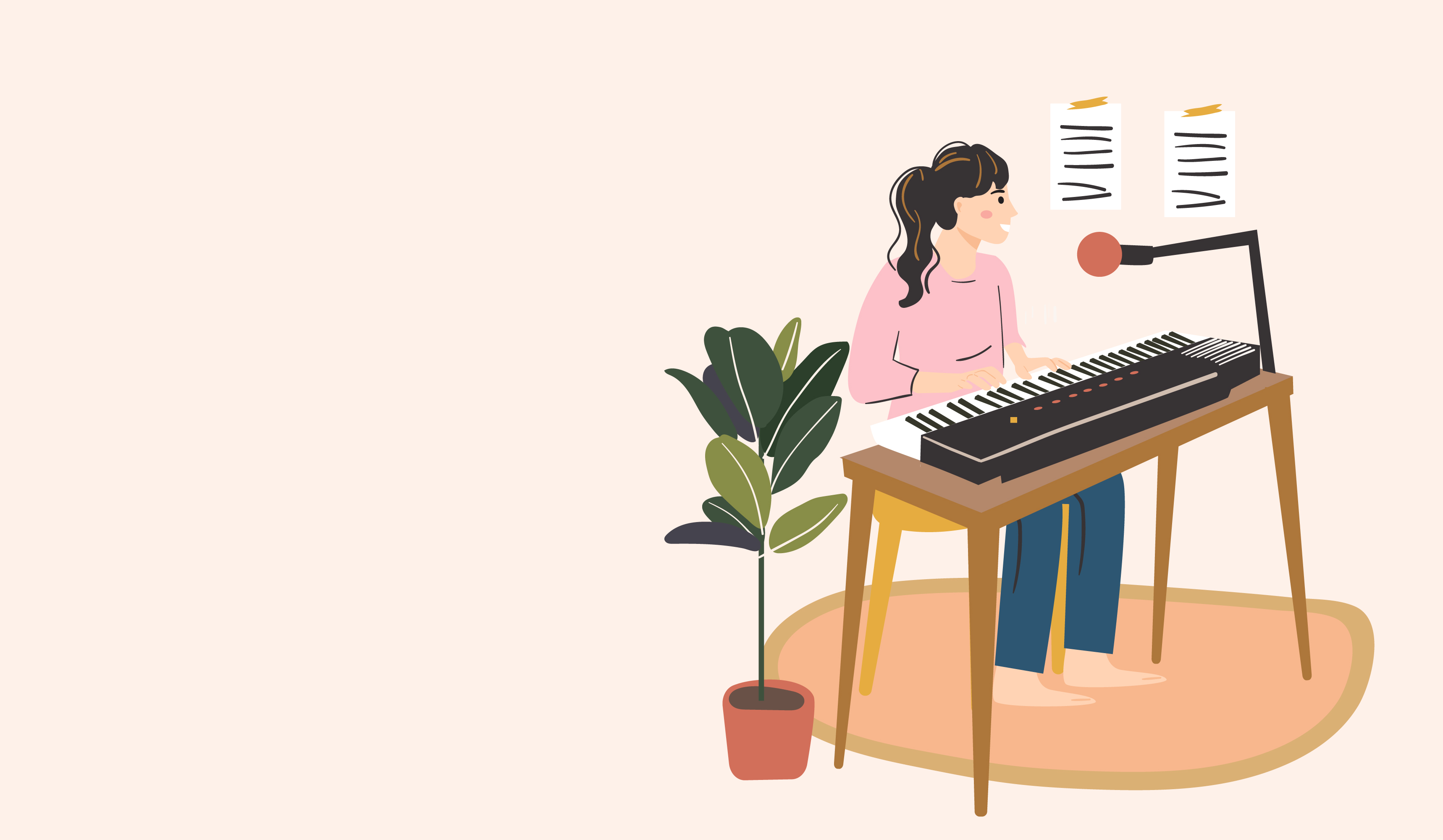
Through the use of music, drama and art therapy, therapists at Chroma are helping children, adults and families to understand and manage the symptoms of trauma, to enable them to make significant progress in their lives.
Here, NR Times learns how Chroma engages children in its therapy, and how it is now equipping others to make such life-changing differences by rolling out its CPD-accredited training programme.
The power of the arts in delivering therapeutic outcomes for children living and dealing with trauma cannot be underestimated. Trauma can be caused by a brain injury, a difficult family situation, an illness or because parents have relocated for work.
Through engaging young people in the suite of arts therapies - music, art and drama - its life-changing results show its benefits in treating the impact of trauma in ways statistics cannot always properly quantify. Case managers, social workers and parents are kept closely up to date about progress in sessions, supported by a range of data and outcomes from assessment tools that Chroma uses.
For creative arts therapist Rachel Swanick, she confesses to having a “bucket full” of anecdotal examples of how traumatised children have responded positively to arts therapy.
“There’s one boy I’m working with at the moment, I’m in my third year with him. It took 18 months for him to even look at me and play with me. I often wonder what would have happened if I’d given up before that,” says Rachel, a senior clinical therapist with Chroma.
“And then it took another year for him to start drawing houses and to put my house next to his. And only in the past few weeks at school, three years on, has he started talking about feeling sad, feeling happy, that he wants to make friends, that he wants to play football with somebody. His language has come on so well.
“While I’m not saying that’s completely down to this creative arts therapy, there must be something about that consistency of care, where he can start to express himself, as well as his own development and feeling safe.”
The power to engage young people - as well as adults - in arts-led trauma therapy runs throughout Chroma, whose approach is now being rolled out through The CPD Service’s CPD-accreditation scheme, extending the positive impact of its therapies even further.
The suite of training is now in its second successful year and while they are not tackling the root causes of trauma – they are helping professionals to think about how trauma is impacting children and their families, and how they can support the children in a trauma-informed way.
"The power to engage young people - as well as adults - in arts-led trauma therapy runs throughout Chroma, whose approach is now being rolled out through The CPD Service’s CPD-accreditation scheme, extending the positive impact of its therapies even further."
“They can promptly put something together and research it so they can adapt to our client’s needs very quickly - they are incorporating diversity into the CPD programme, which isn’t just about race, gender or age, they cover the whole spectrum - disability, religion, socio-economic aspiration, education,” says Rachel.
They work with all types of therapists, social workers, educators and anyone who works in a school. They are seeing a really big response.”
The training covers the core principles of how Chroma’s national wide team of arts therapists engage children impacted by trauma, with Rachel identifying a four-step model:
1. Creating safety - “You want to help the child to feel safe and calm, so they can trust you. We want to stop the ‘fight or flight’ approach so they know you are there for them. That is also achieved through consistent attendance over a period of time”.
2. Regulation - “They’ll help the child to become aware of their emotions, to be aware of the bodily sensations that are coming up, and find the language to express that. They are looking to help them one day to think ‘I’m feeling really bad right now, but I know I need to do this and a positive outcome will happen”.
3. Connection - “When you’ve helped the child to trust you and feel safe, you can make a connection with them. It can be playing with them in a way they enjoy, sitting next to them, whatever it might be - but you can’t get to this point until you’ve done the previous two”.
4. Consistency - “You need to keep going with the therapeutic plan for a good length of time, at least six weeks to see if there is any change; there might not be, and then you can evaluate and change it, but everybody needs to be working on that consistently”.
"One of the things about therapy is that we don't often see the full effects of it as therapists because it might start working a year down the line"
While trauma is the overarching context that informs the therapist’s thinking, its causes can be wide-ranging, explains Rachel. “We’d define trauma as an emotional and physiological reaction to a situation which is negative,” she says.
“We see the interpersonal ongoing themes, like abuse, neglect, mental ill health in the home, a brain injury to the client or a loved one, or maybe witnessing something that has happened to a parent or a parent being in prison. In that situation, the trauma can be the after-effects of that.
“There can also be the situation where a child has had the traumatic experience of abuse or neglect and then is removed from the home to a foster or care placement. This adds to the trauma as even though their first home was detrimental to their wellbeing, the child has been taken away from their safe place and attachment figures. So the trauma can impact on the attachment styles of the child, it can become maladaptive.
“Some of them are so young - some are four or five when they come to us - and you have all of these layers that the child is dealing with, they’re already having to deal with such complexity. But that’s why it’s so important to make them feel safe and consistency is key to building the trust that will lead to them engaging.” While Rachel has countless examples of successful progress and outcomes from children engaged by the Chroma team, she points out that its impact may not always be visible if you are working with a child for the minimum six-month period - but by laying the foundations, positive results can be achieved for children and families in time.
“One of the things about therapy is that we don't often see the full effects of it as therapists because it might start working a year down the line,” she says.
“That’s when everything has been integrated. And that's when the change can happen. It’s probably not something you can measure on the day you finish.
“I’ll usually try and evaluate every six weeks and see what we are doing and what else we could be doing. It’s also really important, as well as the work you’re doing with the child, to help the parent feel more supported. That can help achieve a more enduring sense of change. By focusing solely on the child, you can impact on their behaviours. By focusing on the parent as well, you can elicit more positive attachment feelings, helping both parent and child feel safe and loved.
“We had one situation where a child had no boundaries at all at home, it was complete chaos with the child ruling the roost completely, which can be frightening for the child because they don’t know who is in control.
“We’ve been working with them since 2020 and the therapist has been able to model different relationships, which have been very positive for the child and they now feel safer in their relationship. They’ve worked really hard outside of the sessions. It has been hard work, but it shows that with the four-step plan and the commitment, we can achieve really good things.”



Lessons learned from two neuro-rehab journeys
Experts from brain injury care provider TRU were invited to offer their insights at What’s Your Story? - a recent discussion on life with disability at the People’s History Museum, hosted by researchers from the University of Liverpool. Dr Trevor Landry, consultant clinical psychologist at TRU, and his colleague Joe Dooley, assistant psychologist, shared two life stories that were drawn from many years spent by the team at TRU striving to understand the lived experience of brain injury.
Story one: Loss, identity and acceptance in brain injury rehabilitation
‘Dr John’ was a medical professional who wanted to help and heal from an early age. As a young man he worked diligently in his studies in order to qualify and progress to his medical training.
He had a very supportive family and friends who were always there to prop him up when times became challenging for him, however, he was fiercely independent and did not easily ask for help even when he struggled. John was caring, ambitious and wanted to make a difference in the world. He worked hard throughout his life and managed to establish himself as a reputable paediatric surgeon, well known in the medical community.
John never married and mainly socialised with other health professionals. He loved traveling and speaking at conferences. He also enjoyed nature, hiking and traveling around the world.
During one holiday in Spain whilst traveling through the Sierra Nevada mountains John was involved in a road traffic collision. He lost consciousness.
He was taken to a local emergency ward initially where he was put into an induced coma to help the medical team to stabilise multiple injuries. Amid other physical injuries from the impact of the collision, he also incurred a traumatic brain injury (TBI).
John awoke following surgery in the hospital and did not know where he was and could not remember what happened. This was not temporary post-surgical disorientation and would be something that John would have continuous difficulty with. He would regularly awake in his hospital bed unsure of why, when or where he was for many weeks. This would sometimes lead to frustration and attempts to leave the hospital.
John also had post traumatic amnesia and could not remember the incident or a week on either side. He also struggled more generally with his short term memory, was more impatient and was experiencing quite volatile emotions, including uncharacteristic anger and frustration. John required specialist rehabilitation support and a decision was made to transport him back to the UK.
Early on in his rehab John required support to orientate him to place, date and time along with reasons for his rehabilitation. This was done several times per day. This helped John to feel safe and calm. John was assessed with memory difficulties requiring rehabilitation support so he was introduced a range of compensatory strategies to aid recall and support planning day to day activities. He also developed an acute tremor in his hands which meant that he no longer had the fine motor skills he once was renowned for as a surgeon.
John had difficulty initiating and planning his daily routine. This was not due to motivation or mood, it was because he incurred significant damage to his frontal lobe, an area of the brain intrinsically involved with planning and initiating activities. When left to his own devises, John would be inactive and this would leave him frustrated and isolated.
An integral part of John’s rehab was to support him to engage with a daily planner and routine. This involved a range of activities including practical everyday shopping and cleaning tasks but also vocational plans at gardens or with art projects.
Denial and expecting a cure
John’s medical training taught that illness could be cured with surgery or medication. These beliefs impacting on John’s early engagement with his rehabilitation. John was expecting a cure and that he would return to the same life and career he cherished so much.
John was impatient with himself at times. He had always held high expectations of himself throughout his life and the same was true in his rehab. His expectations that things would return to exactly the way they were became a barrier and impacted on his mood. He could be self-critical and would push himself too hard at times.
TRU’s team supported John in understanding his brain injury and the cognitive changes he has been experiencing. This included competing a focused battery of neuropsychological assessments and sharing with him areas of strength and difficulties. This helped John to start to come to terms with his injury and how this has impacted on his memory, behaviour and mood.
Our physio and OT team spent a lot of time supporting John to mobilise, manage fatigue and understand some of the physical changes he has experienced. Over weeks and months, John started to accept using some mobility and practical adaptions to aid everyday living.
John was hard on himself and quite self-critical about his progress in his rehab. Our psychology team helped John to develop skills in self compassion using an acceptance and compassion focused integrated therapeutic approach.
Feeling robbed
John felt robbed of his life and career he worked so hard for. He found out after his injury that the driver of the car who he collided with was intoxicated. John would fluctuate between self-blame and anger at the injustice that he was amidst. This was maintained by long and complex litigation that would not come to fruition until years after his injury.
This prevented closure and deferred a sense of justice he felt was warranted, given the accident was not his fault, stole his career and his sense of identity from him.
Our team supported John to understand his anger in the context of loss and unfairness.
We worked with John to understand strategies to recognise and cope with these states. John liked to channel these emotions into his art work, and found some respite also with using mindfulness and self compassion strategies he was learning.
Identity, acceptance and reconnecting with personal values.
John was no longer Dr John in his eyes. He had lost everything and at points in his rehabilitation even his sense of worth and identity. John struggled for many weeks emotionally when trying to reconcile this very real and tangible loss. Some thought John was depressed, but in reality he was grieving, a natural and important part of navigated unwanted change and rehabilitation.
A critical part of John’s rehab and work towards accepting these tragic changes was to support him to reconnect to his core interests and values.
John was caring, creative, ambitious and wanted to help others, but he no longer had his role as a surgeon to uphold these values. One day in rehab, John asked if he could help our medical team with the daily work of taking blood pressure readings.
John engaged on time, maintained better focus than he had in a long time and started to engage with conversations with other service users while helping with this role.
John started to accept that he still had skills he could share and he became more and more engaged with plans to find adaptive ways to use these skills in other settings.
This included being an active leader and participant in a range of peer support groups and ultimately volunteering at a local hospital to support.
Acceptance and moving on
After approximately a year in our rehabilitation service, John had progressed through his programme and support was put in place to help him to transition into more independent living.
While on a volunteer placement John encountered an old friend from his time as a surgeon, who happened to be a researcher. They developed a trusting bond and John began to understand that he did not require his hands to help or heal people and that his words have had a positive impact on other service users who may be struggling as he had.
With support he started to write about his experiences, attend conferences and he continued to be an active member in his local brain injury support group.

Story two: A coaching perspective on the struggles and the triumphs after brain injury, presented by Joe Dooley
Jamal was 21-years-old, fresh out of university and never really knew where his life was heading. He had studied psychology and always had an interest in understanding people and thrived at making others happy.
He had what some may describe as ‘limited life experience’, recently out of full-time education and having only worked part-time in bars to fund his student lifestyle. Jamal knew it was time to settle into a full time job.
He had heard about TRU at a recruitment fair at his university, approaching psychology graduates due to being a service which was uniquely psychology led. He secured a role as a rehabilitation coach.
His initial emotions were excitement to learn more about brain injuries, however this was overridden by nerves and apprehension. Jamal had never worked directly with individuals with needs before and was unsure how he would take to the role.
His first experience consisted of extensive training sessions with professionals in the field, educating him and a cohort of other new starters. They learned about the effects of brain injuries and how each individual can present so differently.
Alongside this, he was made familiar with the techniques required of his new job role including de-escalation techniques, restraints and frameworks that TRU carries throughout their services.
The training somewhat prepared Jamal for his first day on the job but his real learning really began when he first started to support the individuals who reside at our service. He spent time shadowing more experienced coaches which gave him great insight to the job role and filled him with excitement to help our
client base.
Jamal spent time studying the individual care plans of the clients he will be supporting.
This insight to their background really hit home for Jamal. It demonstrated how quickly someone’s life can be so massively altered. It left Jamal with a huge sense of empathy towards the individuals and motivated him to supporting them in the best way he could.
The client base varied massively in terms of support Jamal was required to deliver, in relation to the extent of injuries and their progression in their rehabilitation journey – some being at an acute stage in their injury and others having progressed a lot more since their admission.
Jamal realised how crucial his role was in helping these clients reach their potential and help them set foundations for their future.
He felt the pressure of this and quickly adapted to the role which was required of him. One of his main internal motivators towards fulfilling his job role adequately was constantly telling himself “if this was my family member, I’d like to think they would get the best support too”.
The job didn’t come without its challenges. Jamal would often find himself in situations in which clients would quickly become abrupt towards him, often verbally abusive about his abilities, his appearance and would often be undermined by clients due to his age.
He knew not to take this personally due to the extent of the clients’ injuries and although hard not to take to heart, quickly developed a thick skin to these comments.
There were days when Jamal undoubtedly felt unmotivated towards his job role and abilities. Seeing clients often refuse to engage and feel like his efforts were pointless. Through conversations with other staff members and reminding himself of the impact of injuries that he was able to remember that consistency of client programmes was crucial, although often slow paced, his efforts was ultimately beneficial.
Upon supervision with his shift supervisor, Jamal was reassured that his positive attitude and good working rapport with the clients that he had built up since starting had been noticed. This gave him a sense of accomplishment.
He took pride in his abilities and reminded him why he had been so drawn to the job. He spoke about his desires to progress through the company and be able to make as much of an impact as possible.
Jamal often spoke to his friends from university about the job which he had so passionately fell in love with. It became clear to him how valuable the experience he had working directly with individuals with acquired brain injuries was in his professional development.
Jamal soon progressed into the role of a ‘primary coach’. This gave Jamal more responsibility of working closely with a
particular client he had built a good professional relationship with.
He was essentially working with the wider MDT to ensure his primary clients programme was running efficiently for the most beneficial progression. With support of the unit rehabilitation coordinator, they introduced a new structure and new compensatory aids to support the client in their pathway, in relation to their support needs in the goal of becoming more independent.
With his new role of primary coach, Jamal was proud of his progression but felt immense pressure of fulfilling the role adequately enough. He would often find himself on his days off, worrying about what he had implemented. Would it work?
What else could he do? He found it hard to find that disconnect with his job and appreciate his time away from work. This had a negative impact on Jamal’s passion for the job. He found himself resenting the job role and responsibility, the one he once found so much joy in.
He spoke to his supervisor about this and he was told how he needs to take time for himself. With the recommendations, Jamal made a conscious effort to do this. He found upon his return to the workspace he was able to find much more joy and lessen the pressure upon himself. He soon found that sense of accomplishment again, that thrive to do the best he could for the clients.
Within the space of 6 months, his primary client made huge progress. The aids Jamal introduced proved to be a huge success in implementing a stringent routine and something the client responded well to in their programme.
The client eventually moved through the pathway to another of our units, a pre-community based service.
It was hard for Jamal to say goodbye to the client, all the hard work had paid off and the client was one step closer to their end goal.
It reinforced a sense of reward and how this job, one he was once he was so unsure of, was one he was destined to do.

www.trurehab.com
*Names, roles, gender and other contexts have been changed in order to protect the identity of anyone involved.

Increasing provision for amputees - how Neural Pathways is bringing new options to rehab
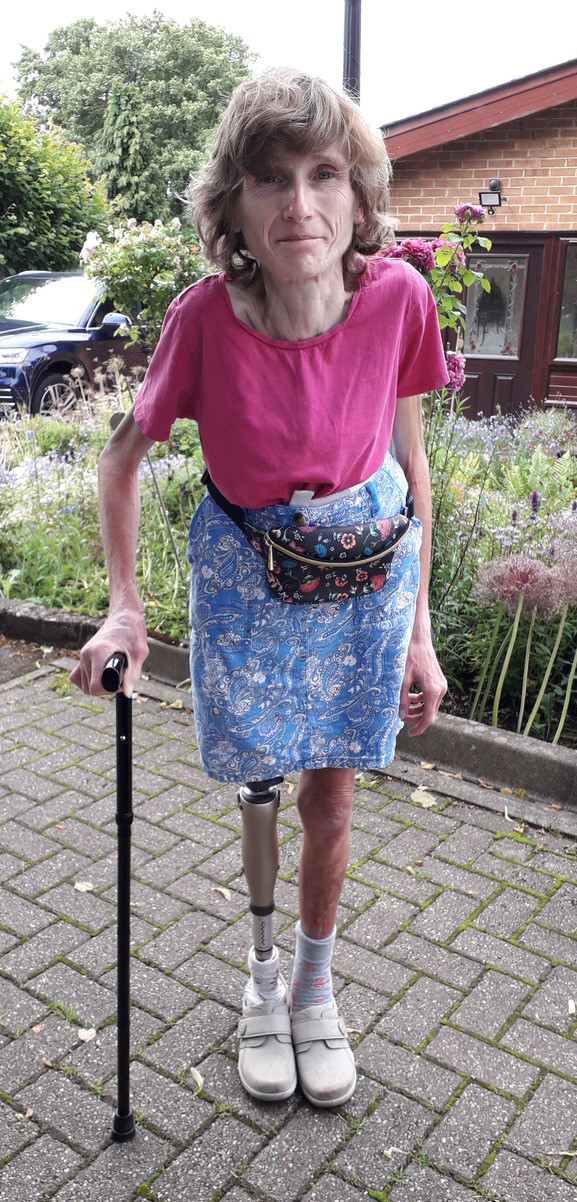
Having been delivering life-changing neuro-rehabilitation to clients nationally for almost 20 years, Neural Pathways is now adding a dedicated service for amputees.
NR Times finds out more about the new clinic, which brings much-needed prosthetics provision, and how the Gateshead centre’s expert team are already helping amputees to achieve significant progress in their recovery
Having built a reputation as a leading name nationally in neuro-rehabilitation, Neural Pathways, part of Active Care Group, is
now adding even further to its specialist offering through the launch of a new service for amputees.
The business is building on its range of therapeutic services with the launch of a satellite clinic to bring dedicated and bespoke support for new and existing clients who have prosthetics.
Neural Pathways will host a monthly clinic at its Gateshead base, creating the only specialist private rehabilitation site north of Sheffield to offer this much-needed service. It will also bring a closer geographical option for clients from Scotland, with
the country currently having no private amputee provision.
A dedicated physiotherapist and occupational therapist will work with Neural Pathways’ growing client base of amputees.
The move into a specialist amputee service is the latest expansion from Neural Pathways, which was established in 2003 as a two-man business and has now grown into a leading name nationally in neuro-rehab, supporting survivors of brain injury, spinal cord injury, stroke, and those living with neurodegenerative conditions.
Its investment in cutting-edge technology also extends into its amputee service with the addition of a C-Mill treadmill, a sector-leading piece of equipment designed to tackle balance and gait deficits through simulating everyday situations using augmented and virtual reality - with the benefit of a fall safety and bodyweight support system.
“We do have some clients, and have had over the years, who are amputees, as often with a traumatic amputation comes a brain injury. But we would have to take them to Sheffield (for their prosthetic) which is a long way from the North East,” says Kirstie Corfield, clinical lead at Neural Pathways.

“We've all got a background in working in this kind of trauma and neurology.”
“Previously there was no choice but to go there - but now, with the satellite clinic, we have a ‘one stop shop’ service where the client can not only see a physiotherapist and an occupational therapist, but can have their prosthetic reviewed and altered.
“After injury, we can get our clients back on their feet, integrating into the community, and we are re-enabling those clients to live a meaningful life through a mixture of physiotherapy and occupational therapy, which go hand in hand, as well as making sure their prosthetic works; a seamless service for the client.”
Claire Marley, business director of Neural Pathways, adds: “When it was suggested that we have a satellite clinic here, our clients were over the moon, because they don’t have to spend all that time and effort on a two or three-hour journey.
“We now see the potential for many more clients to come here, rather than going further afield, which is a really positive development for them.”
Since the satellite clinic began in August, already the demand is being seen, with predictions that will continue to grow significantly over the months ahead.
And with the extensive reputation of Neural Pathways for neuro-rehab, combined with the expertise of its 12-strong therapy team, the service has got off to a strong start.
“Our team have all got a background in polytrauma and neurological rehabilitation - so we’ve got the expertise. And our expertise in our fields is all pooling together through this service,” says Kirstie.
“We've all got a background in working in this kind of trauma and neurology.
“We now see the potential for many more clients to come
here, rather than going further afield, which is a really positive development for them.”
“There are a lot of the same underpinning principles within amputee rehabilitation and neurological rehabilitation; based on the fallback principle of normal movement. So, looking at whether your client is moving normally and how do
you fix that, it's not a million miles away from brain injury rehabilitation, because it is about re-education of normal movement, and trying to get the best out of your clients that you can so they've reached their maximum functional and social and emotional potential.”
Through Neural Pathways’ range of cutting-edge equipment, its options for rehab for amputees are widened even further.
In addition to its specialist gym, the C-Mill treadmill is already delivering positive results in supporting the rehabilitation of its amputee clients.
“It’s a very good bit of equipment for using in gait re-education, giving very good visual feedback on what someone’s gait pattern, their step length. It also and their balance; it also records all the client’s progress so you can track it exactly,” says Kirstie.
“We start from a very early stage with our amputees, to realign their gait. We’re also working with Summit Medical to look at how we engage in research and development to further improve
our service.
“We also have a well-equipped gym, encompassing some robotic and electrical stimulation equipment, we’ve got the toolbox from which we can pick the relevant equipment to help our clients: an area we are looking to grow even further in the future.”




 Built with Shorthand