
Brain injury latest
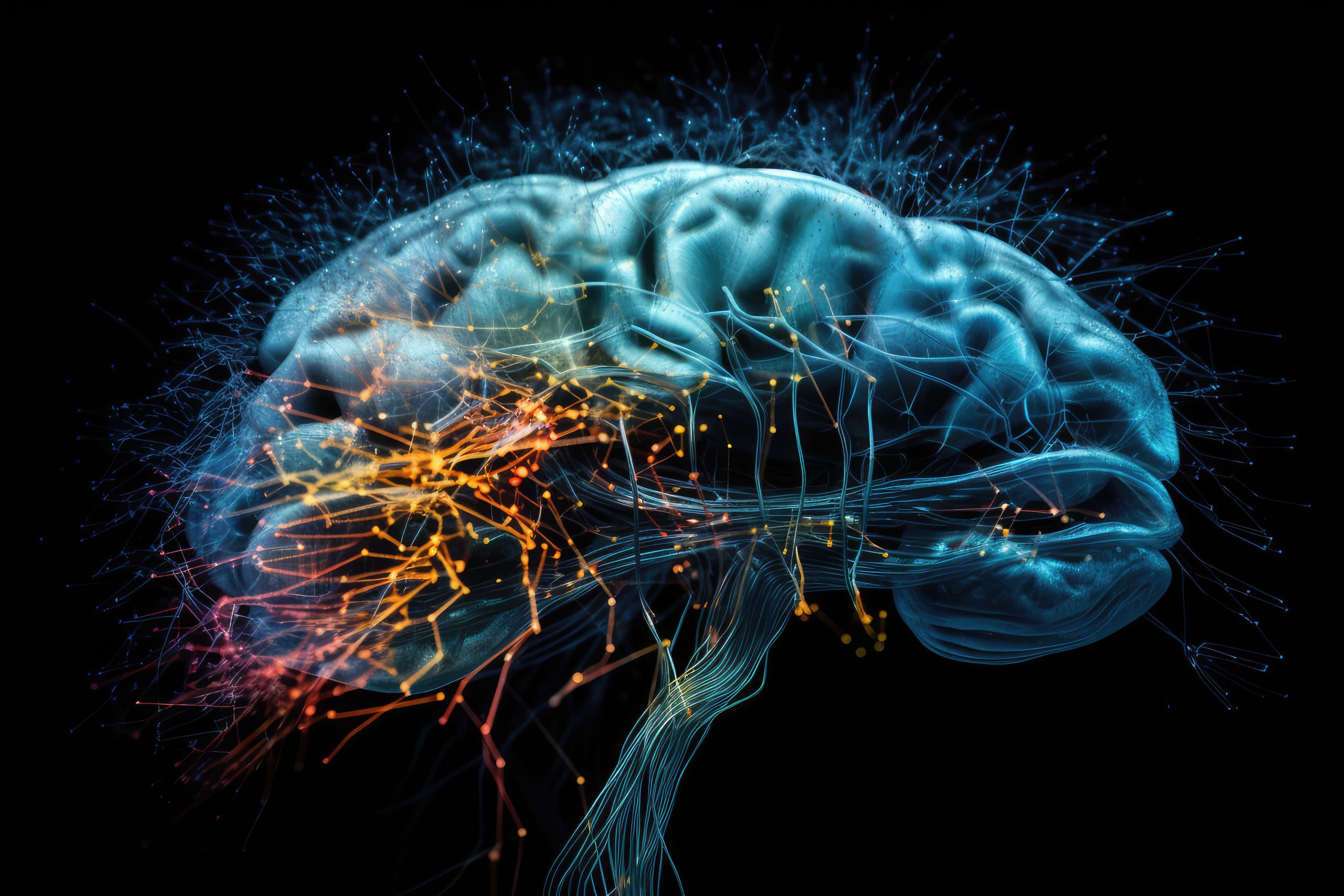

European Research Council funds cutting-edge research on Traumatic Brain Injury
The European Research Council (ERC) has awarded €780 million in grants to emerging science talent across Europe, including €1.5 million for a Traumatic Brain Injury (TBI) research project.
TBI affects 30 million women globally each year. The highest reported incidence is in people over 75 years old, and while women account for more TBIs than men, they remain underrepresented in the research.
Finite element brain models (FEBMs) have played a major role in improving understanding of TBI to date, but they have been developed using male-only data and cannot accurately model female TBI.
Director of the BRAIN Lab and Assistant Professor at UCD School of Mechanical and Materials Engineering, Dr David MacManus, is working to address this problem through his brainsex project ‘Bridging the sex gap in traumatic brain injury biomechanics’.
“We currently lack female and geriatric specific computer models. This limits our understanding of TBI biomechanics and the efficacy of protective, diagnostic, and therapeutic technologies for these demographics,” said MacManus.
“This crucial support from the ERC will provide my lab with the necessary resources to embark on frontier research to understand the role sex specific neuroanatomy plays in TBI biomechanics.”
Dr MacManus and his team will develop the first sex specific computer models of the brain that incorporate sex specific neuroanatomy and material damage properties of brain tissue, its blood vessels and cells.
To obtain these damage properties, they will develop new experimental technologies to measure how such tissues and cells become damaged under conditions similar to those experienced during high energy head impacts.
He continued: “Brainsex will revolutionise our understanding of TBI and open a new horizon for biomechanics research focussing on the important role sex plays in the mechanical behaviour of biological tissues.
“I am very grateful to all of my collaborators, friends, and past and current members of BRAIN Lab for their inspiration and motivation that has contributed to this success. I am particularly grateful to my colleagues in UCD Research and the UCD School of Mechanical and Materials Engineering for their continued support throughout.
“I would also like to thank Enterprise Ireland for their support through the EI Horizon Europe ERC Support grant. I am excited to begin this new research project and see what discoveries await.
President of the European Research Council, Professor Maria Leptin, said: “Empowering researchers early on in their careers is at the heart of the mission of the ERC.
“I am particularly pleased to welcome UK researchers back to the ERC. They have been sorely missed over the past years. With fifty grants awarded to researchers based in the UK, this influx is good for the research community overall.”

Blood test identifies patients with brain injuries
A US medical centre is set to become the first facility in the world to adopt a pioneering blood test designed to assess patients with suspected mild traumatic brain injuries (TBIs) or concussions.
This new blood test, called i-STAT TBI, was developed by Abbott in collaboration with the Department of Defense.
The test builds on research led by Dr. Linda Papa, Director of Clinical Research at Orlando Health Orlando Regional Medical Center and her team.
There is a significant demand for such a test, with TBIs from accidents and sport a leading cause of death and disability in the US.
The i-STAT TBI test works by detecting two biomarkers in a patient’s blood that are commonly found after a brain injury.
The test provides results within just 15 minutes, allowing clinicians to decide whether a head CT scan is necessary and what the next steps in care should be.
Dr Papa was instrumental in identifying the biomarkers used in this blood test.
Dr Papa said: “Damaged brain cells release two proteins: GFAP and UCH-L1 into their blood…The higher the concentrations of these proteins, the more severe the brain injury.
“The quicker doctors can detect these brain injuries, the quicker a patient can get life-saving treatment.
“On the flip side, if we find these biomarkers are not elevated in their blood within 24 hours of trauma, that may indicate that they do not need to have a CT scan.”
Traditionally, brain lesions are diagnosed through CT scans, which are time-consuming, costly and involve harmful radiation exposure.
Kelly Nierstedt, Senior Vice President of Orlando Health and President of Orlando Health Orlando Regional Medical Center, said: “We are incredibly proud to be the first hospital in the world to roll out this new blood test for traumatic brain injuries…Dr Papa is a visionary.
“Her decades of trailblazing TBI research highlight Orlando Health’s commitment to patient care and strategic innovation.
“We are honoured to be on the leading edge of healthcare throughout the entire journey from the research lab to the patient’s bedside.”
Dr Papa is currently working on evaluating the test for use in children, while continuing to support the clinical implementation of Abbott’s blood test for adult patients with potential TBIs at Orlando Health.


Sports concussions in non-athletes ‘not linked to long-term cognitive effects’
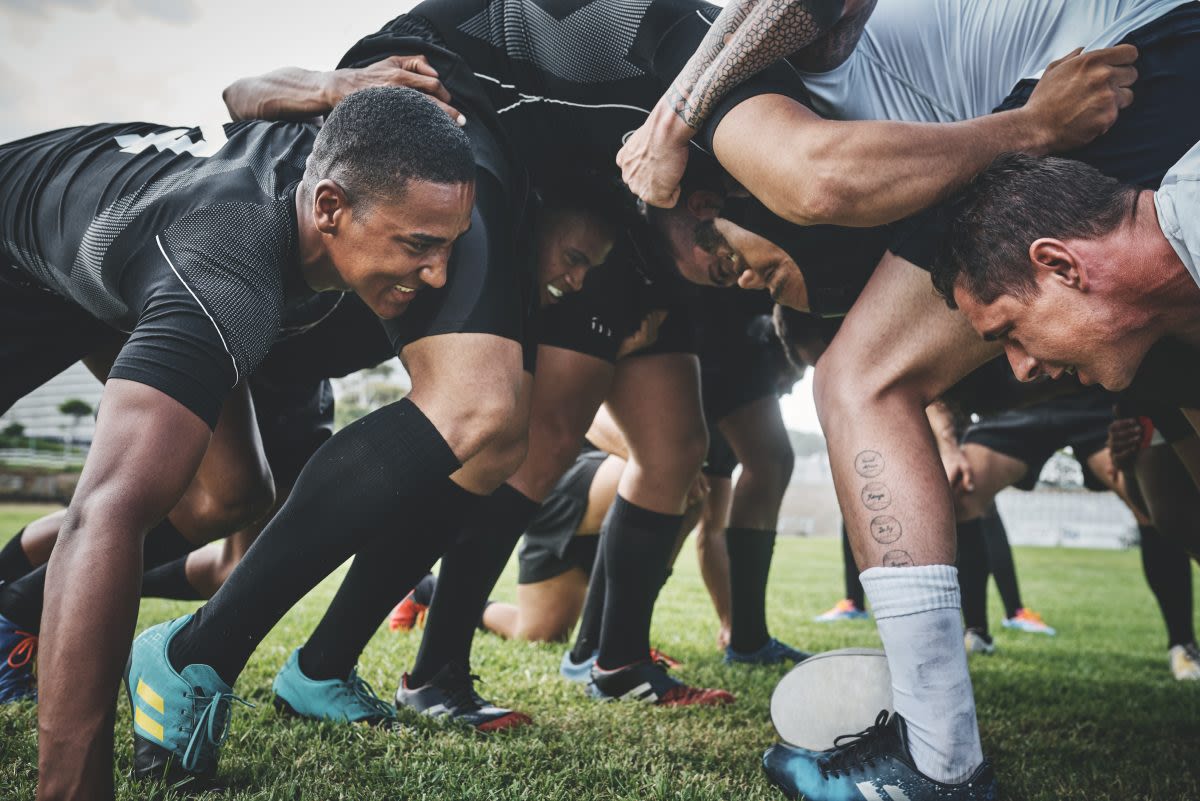
Sports-related concussions (SRC) may not be associated with long-term cognitive risks for non-professional athletes, a study led by a University of New South Wales (UNSW) medical researcher suggests.
In fact, study participants who had experienced an SRC had better cognitive performance in some areas than those who had never suffered a concussion, pointing to potential protective effects of sports participation.
Published in the Journal of Neurology, Neurosurgery and Psychiatry (JNNP), the research reveals that individuals who reported experiencing any SRC during their lifetime had a marginally better cognitive performance than those who reported no concussions.
The study, a collaboration between researchers at UNSW Sydney, the University of Oxford, the University of Exeter and Harvard University, analysed data from more than 15,000 participants from the UK-based PROTECT study of 50 to 90-year-olds.
This ongoing research aims to understand brain ageing and cognitive decline.
Dr Matt Lennon MD, PhD, is a researcher at the Centre for Healthy Brain Ageing (CHeBA) at UNSW Medicine & Health and lead author of the study.
He said: “Our findings suggest that there is something about playing sport, even though a person may experience concussion, that may be beneficial for long-term cognitive outcomes.
“While it may be that those who play sports have had access to better education and more resources, we controlled for these factors in the analysis, so that doesn’t explain the result.
“We hypothesise that there may be physical, social and long-term behavioural effects of sport that may make for healthier adults in late-life,” said Dr Lennon.
The study is the largest to date examining the long-term cognitive effects of SRC.
Researchers collected lifetime concussion histories from 15,214 participants using the Brain Injury Screening Questionnaire.
Among them 6227 (39.5 per cent) reported at least one concussion and 510 (3.2 per cent) at least one moderate-severe concussion.
On average, participants reported suffering their last head injury an average of 29 years prior to the study and their first head injury an average of 39 years earlier.
Researchers then compared cognitive function among individuals with 0, 1, 2 and 3+ SRCs and 0, 1, 2 and 3+ non-sports-related concussions (nSRCs) (i.e. from falls, car accidents, assaults and other causes).
The SRC group showed 4.5 percentile rank better working memory than those who hadn’t experienced an SRC, and 7.9 per cent better reasoning capacity than those without concussions.
Those with one SRC also had better verbal reasoning and attention compared to those with no SRC.
Conversely, participants with 3+ nSRCs – so things like accident and assaults – had worse processing speed and attention, and a declining trajectory of verbal reasoning with age.

Professor Vanessa Raymont from the University of Oxford and Oxford Health NHS Foundation Trust is the study’s senior author.
The researcher said: “This study suggests that there could be long term benefits from sport which could outweigh any negative effects of concussions, which could have important implications for policy decisions around contact sport participation.
It may also be that non-sports related head injuries lead to greater brain damage than sports-related concussions,” said senior author
The researchers say the study had some limitations.
“The retrospective design of the study, with elderly participants often recalling details of events over three decades in the past, may have affected the reporting of head injuries, even though we used a well-validated head injury screening tool,” said Prof. Raymont.
Study implications
The study looked at mid-to-late-life people who experienced SRC years earlier, whereas most other studies on SRC focus on younger athletes in the immediate period after their head injuries, where cognitive effects are most salient.
“While these results do not indicate the safety of any sport in particular, they do indicate that overall sports may have greater beneficial effects for long-term cognitive health than the damage it causes, even in those who have experienced concussion,” said Dr Lennon.
“This finding should not be overstated – the beneficial effects were small and in people who had two or more sports-related concussions there was no longer any benefit to concussion.
“Additionally, this study does not apply to concussions in professional athletes whose head injuries tend to be more frequent, debilitating and severe.”
Anne Corbett, Professor at Exeter University and the lead investigator of the PROTECT study, said: “What we see emerging is a completely different profile of brain health outcomes for people who have concussions as a result of sport compared to those that are not related to sport.
“Concussions that occur during sport do not lead to brain health concerns whereas other concussion types do, especially when people experience multiple concussions.
“In fact, people who take part in sport seem to have better brain health regardless of whether they have had a concussion whilst taking part or not.”

Study assesses seizure risk from TBI brain stimulation
The idea of electrically stimulating a brain region called the central thalamus has gained traction among researchers and clinicians because it can help arouse subjects from unconscious states induced by traumatic brain injury (TBI) or anaesthesia, and can boost cognition and performance in awake animals.
But the method, called CT-DBS, can have a side effect: seizures.
A new study by researchers at MIT and Massachusetts General Hospital (MGH) who were testing the method in awake mice, quantifies the probability of seizures at different stimulation currents and cautions that they sometimes occurred even at low levels.
Co-senior author Emery N. Brown is Edward Hood Taplin Professor of Medical Engineering and Computational Neuroscience in The Picower Institute for Learning and Memory, the Institute for Medical Engineering and Science, the Department of Brain and Cognitive Sciences and the Center for Brains Minds and Machines (CBMM) at MIT.
The researcher said: “Understanding production and prevalence of this type of seizure activity is important because brain stimulation-based therapies are becoming more widely used.”
In the brain, the seizures associated with CT-DBS occur as “electrographic seizures” which are bursts of voltage among neurons across a broad spectrum of frequencies.
Behaviourally, they manifest as “absence seizures” in which the subject appears to take on a blank stare and freezes for about 10-20 seconds.
In their study, the researchers were hoping to determine a CT-DBS stimulation current— in a clinically relevant range of under 200 microamps—below which seizures could be reliably avoided.
In search of that ideal current, they developed a protocol of starting brief bouts of CT-DBS at 1 microamp and then incrementally ramping the current up to 200 microamps until they found a threshold where an electrographic seizure occurred.
Once they found that threshold, then they tested a longer bout of stimulation at the next lowest current level in hopes that an electrographic seizure wouldn’t occur.
They did this for a variety of different stimulation frequencies.
To their surprise, electrographic seizures still occurred 2.2 per cent of the time during those longer stimulation trials (i.e. 22 times out of 996 tests) and in 10 out of 12 mice.
At just 20 microamps, mice still experienced seizures in 3 out of 244 tests, a 1.2 per cent rate.
Co-lead author Francisco Flores is a research affiliate in The Picower Institute and CBMM, and an instructor in anesthesiology at MGH where Brown is also an anaesthesiologist
The researcher said: “This is something that we needed to report because this was really surprising.”
Stimulation frequency didn’t matter for seizure risk but the rate of electrographic seizures increased as the current level increased.
For instance, it happened in 5 out of 190 tests at 50 microamps, and 2 out of 65 tests at 100 microamps.
The researchers also found that when an electrographic seizure occurred, it did so more quickly at higher currents than at lower levels.
Finally, they also saw that seizures happened more quickly if they stimulated the thalamus on both sides of the brain vs. just one side.
Some mice exhibited behaviours similar to absence seizure, though others became hyperactive.
It is not clear why some mice experienced electrographic seizures at just 20 microamps while two mice did not experience the seizures even at 200.
Flores speculated that there may be different brain states that change the predisposition to seizures amid stimulation of the thalamus.
Notably, seizures are not typically observed in humans who receive CT-DBS while in a minimally conscious state after a TBI or in animals who are under anaesthesia.
Flores said the next stage of the research would aim to discern what the relevant brain states may be.
In the meantime, the study authors wrote, “EEG should be closely monitored for electrographic seizures when performing CT-DBS, especially in awake subjects.”

 Built with Shorthand